
Disaster Chasers and Insurance Claims: What to Know Before You Sign
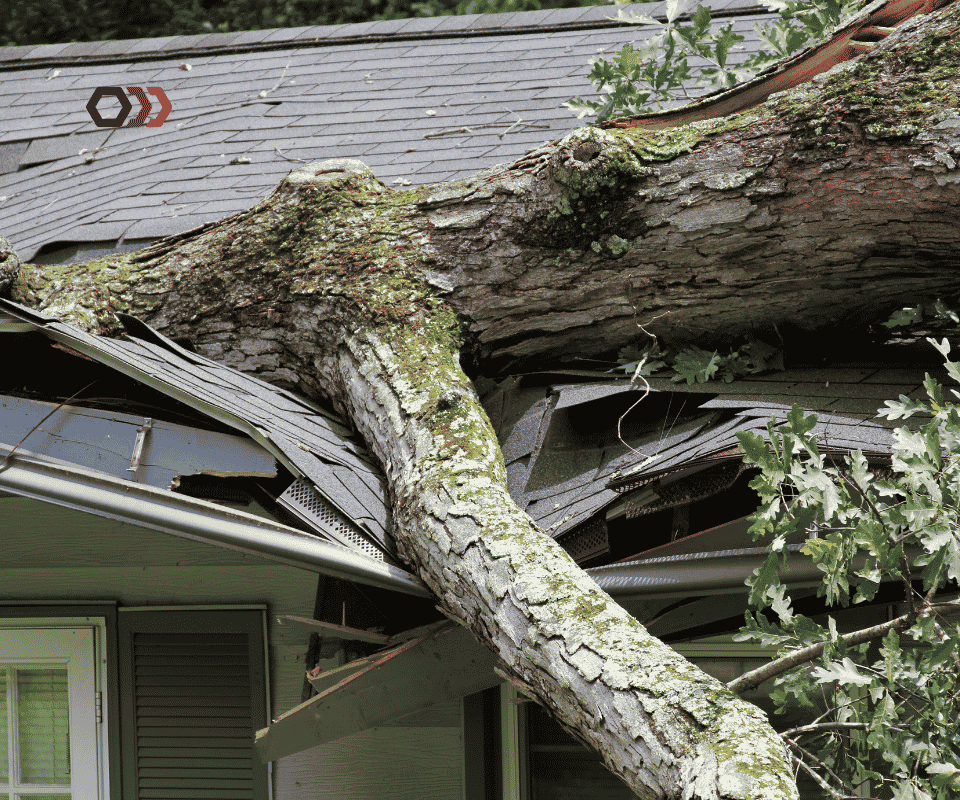
The period immediately after a major property loss can be overwhelming.
You may be trying to make the site safe, arrange temporary accommodation or business premises, contact employees and understand what the insurer requires. At the same time, multiple tradespeople, assessors and service providers may begin contacting you.
Then someone offers to take control of the insurance claim.
The offer may sound like one less problem to manage. However, before signing an agreement or authorising someone to act on your behalf, it is important to understand who they are, what they will do, who they represent and how they will be paid.
What Is a Disaster Chaser?
“Disaster chaser” is a term commonly used to describe a business or individual who approaches people following storms, floods, fires or other major loss events and offers services connected with insurance claims or property repairs.
Services may include:
- Preparing or lodging an insurance claim
- Communicating with the insurer
- Coordinating assessments
- Obtaining repair quotes
- Negotiating aspects of the claim
- Managing repair work
- Referring the customer to tradespeople or suppliers
Not every third-party claims-management or repair service is inappropriate. Some customers may choose to obtain independent professional assistance.
The important issue is whether the customer understands the provider’s role, authority, fees, relationships and contractual terms before agreeing to the service.
Why ASIC Is Reviewing Claims-Management Firms
In its 2026–27 supervisory priorities, ASIC announced that it would review the practices of for-profit claims-management firms, including businesses commonly referred to as disaster chasers, and consider the potential implications of some practices for consumers.
ASIC’s identified areas of interest include:
- Sales and client-acquisition practices
- Fee arrangements
- Cancellation terms
- The provider’s role in claims and complaints
- Commercial relationships with repairers and suppliers
The regulatory attention does not mean every firm provides an inappropriate service. It does show why customers should understand an arrangement before signing, particularly when they are being approached shortly after a disaster.
Claims Handling Is a Regulated Financial Service
Claims handling and settling became a regulated financial service in Australia from 1 January 2022.
Depending on the services being performed and any applicable exemptions, a person providing claims-handling assistance may need to hold an Australian Financial Services Licence or be authorised to provide those services.
ASIC encourages claimants to ask who a provider represents and whether they are appropriately licensed or authorised.
You can search ASIC’s Professional Registers or ask the provider to explain the authority under which the service is being offered.
Licensing alone does not tell you whether an agreement is commercially suitable for you. It is one of several matters to check.
Understand Who the Provider Represents
Do not assume that someone attending the property has been appointed by your insurer or broker.
Ask:
- Who engaged you?
- Are you acting for me, the insurer, a builder or another party?
- Are you authorised by my insurer?
- What services will you perform?
- Will you communicate directly with the insurer?
- Can you accept decisions or settlement offers on my behalf?
- Will you appoint tradespeople or consultants?
- Do you receive any payment or benefit from those businesses?
The answers should be clear before you provide access to the property, personal information or authority over the claim.
Read the Agreement Before Signing
A claims-management agreement may create significant financial and contractual obligations.
Before signing, check:
The fee structure
Fees may be calculated as:
- A fixed amount
- An hourly rate
- A percentage of the settlement
- A combination of professional fees and other charges
- A fee payable even if the claim is unsuccessful or withdrawn
Ask for the total potential cost to be explained, including GST and additional expenses.
The scope of authority
The agreement may allow the provider to obtain information, communicate with the insurer, appoint other professionals or make decisions connected with the claim.
Understand what authority is being provided and whether it is broader than the service you expected.
Cancellation rights
Check whether a cooling-off period applies, how the agreement can be cancelled and what fees remain payable following cancellation.
Do not rely only on a verbal explanation. Read the written terms.
Repairer and supplier relationships
Ask whether the provider is related to or receives a benefit from any builder, repairer, engineer, assessor or supplier involved in the claim.
A commercial relationship does not automatically mean the service is unsuitable, but it should be understood before you agree.
Control of claim payments
Establish where the insurer’s payments will be sent and whether the provider can receive or control any funds on your behalf.
Complaints process
Ask how complaints are handled and whether an external dispute-resolution process is available.
Be Careful With Pressure to Sign Immediately
A major loss can create urgency, but not every decision must be made immediately.
Be cautious if a provider:
- Arrives without being requested
- Says you must sign immediately
- Discourages you from speaking with your insurer or broker
- Cannot clearly explain its fees
- Promises a particular settlement outcome
- Asks you to sign incomplete documents
- Seeks broad authority without explaining why
- Will not provide time to obtain independent advice
- Claims to be connected with the insurer when that cannot be verified
No third party can guarantee that an insurer will accept a claim or pay a particular amount.
Speak With Your Broker Before Appointing Someone
Your insurance broker can help you understand:
- How to notify the claim
- What information the insurer is requesting
- Who has been appointed by the insurer
- The role of assessors, builders and other parties
- What decisions currently need to be made
- Questions to ask a proposed claims-management provider
- How the policy’s claims process generally operates
A broker does not determine whether the insurer will accept the claim. However, the broker can support the client through the process, assist with communications and advocate on the client’s behalf.
Learn more about ARP’s insurance claims support.
What to Do Immediately After Property Damage
Where it is safe to do so:
- Follow emergency-services directions.
- Take reasonable steps to prevent further damage.
- Contact your broker or insurer promptly.
- Photograph the damage before items are moved or discarded.
- Keep receipts for emergency work and temporary expenses.
- Ask whether repairs require authorisation before work begins.
- Record the names and contact details of anyone attending the site.
- Do not sign agreements you do not understand.
- Seek independent legal advice where appropriate.
- Keep copies of every document you sign.
Safety should always come first. Do not enter damaged or unstable premises until qualified authorities confirm it is safe.
Questions to Ask Before Signing
Before appointing a claims-management firm, ask:
- What is your full legal business name?
- Who owns the business?
- Who do you represent?
- Are you licensed or authorised to provide this service?
- What exactly will you do?
- What will I be charged?
- Are fees payable if the claim is unsuccessful?
- Can I cancel the agreement?
- Do you receive benefits from repairers or suppliers?
- Can you accept a settlement without my approval?
- Where will insurance payments be sent?
- How can I make a complaint?
- Can I obtain independent advice before signing?
A reputable provider should be prepared to answer reasonable questions and give you time to review the agreement.
Take Time to Understand the Arrangement
The days following a loss are rarely easy. That makes it even more important to understand who is involved and what authority they have.
Before signing a claims-management or repair agreement, verify the provider’s role, review the fees and cancellation terms, ask about commercial relationships and speak with your broker.
The objective is not to reject every offer of assistance. It is to make an informed decision before transferring control of an important insurance claim.
Speak With All Risk Protection
If you are an ARP client and have suffered a loss, contact your broker as soon as practicable.
If you are unsure who is involved in the claim or have been approached by a third-party claims-management provider, speak with ARP before entering an agreement.
Need Help Reviewing Your Cover?
If you would like to understand how your policy responds to emerging risks or review your current insurance arrangements, the team at All Risk Protection would be happy to assist.
This article contains general information only and does not take into account your objectives, financial situation or insurance needs. Insurance cover is always subject to the terms, conditions, exclusions and limitations of the policy wording. Consider whether the information is appropriate to your circumstances and seek professional advice before making any decisions.