
Unoccupied Commercial Premises: What Holiday Closures May Mean for Your Insurance
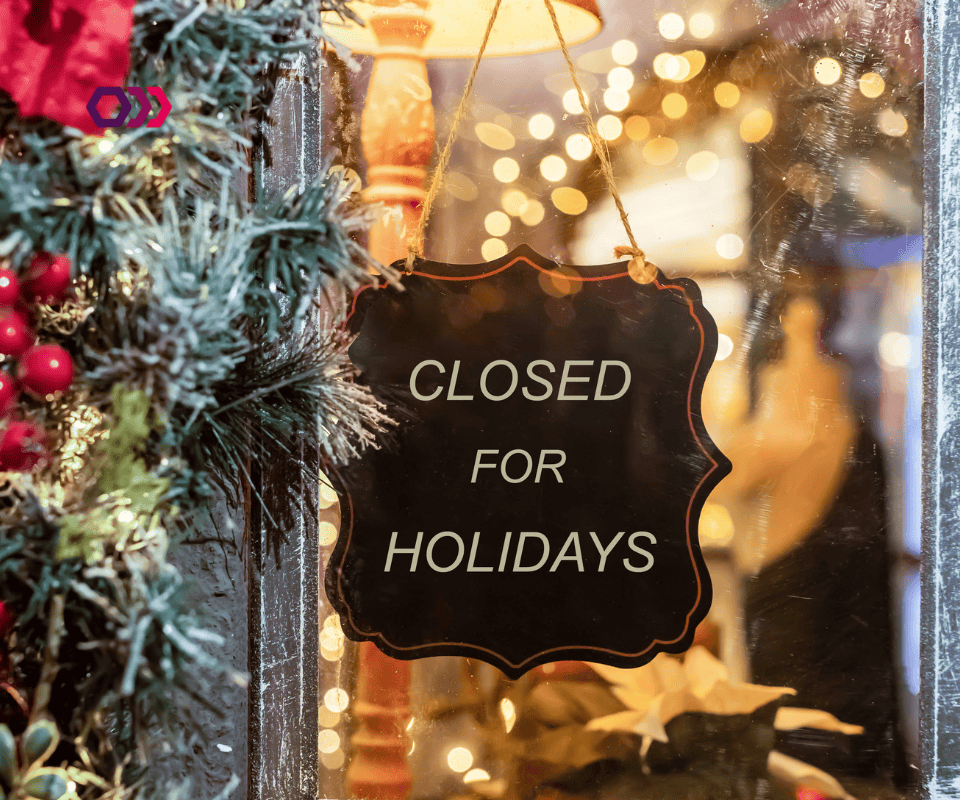
Closing the office, workshop, warehouse or store for Christmas can feel routine.
Doors are locked, employees leave and the business reopens a few weeks later.
But while the business is closed, a leaking pipe, electrical fault, break-in, refrigeration failure or storm-related problem can go unnoticed for longer than it normally would.
That does not mean every Christmas closure creates an insurance problem. It does mean businesses should understand how their policy treats vacancy, unoccupancy, security and property inspections before the premises is left unattended.
Does a Christmas Closure Make a Premises Unoccupied?
Not necessarily.
Insurance policies may define vacant or unoccupied premises differently. Some definitions consider whether the business has stopped operating, whether employees attend the site, whether furniture or stock remains and how long the premises has been unused.
A short holiday closure may not satisfy the policy definition of unoccupancy. However, this should not be assumed without checking the wording.
The policy may also impose conditions or notification requirements when a premises remains vacant or unoccupied beyond a specified period.
These provisions can vary between insurers and policy types.
Why Unattended Premises Can Create Greater Losses
The risk is not simply that something may happen while the business is closed. The risk is that nobody may discover it quickly.
A small water leak identified during normal operating hours may be manageable. The same leak running throughout a two-week shutdown could damage flooring, walls, equipment, stock and neighbouring premises.
Other examples include:
- Refrigeration or temperature-control failure
- Electrical faults
- Burglary or attempted burglary
- Malicious damage
- Fire
- Storm or water ingress
- Blocked drains
- Alarm or monitoring failure
- Equipment continuing to operate unattended
- Damage affecting an adjoining tenant or property
Early detection may reduce the extent of damage and allow emergency action to be taken sooner.
Review the Policy Before the Business Closes
Before the shutdown, consider asking your broker:
- How does the policy define vacant or unoccupied premises?
- Does the planned closure need to be disclosed?
- Are regular inspections required?
- Must electricity, water or gas remain connected?
- Do alarms, sprinklers or security systems need to remain operational?
- Are there requirements concerning locks, shutters or access control?
- Does anyone need to remain contactable during the closure?
- Are any covers reduced or excluded after a specified period of unoccupancy?
- Are temporary changes to operations or storage arrangements relevant?
- What should the business do if the closure is unexpectedly extended?
The answers will depend on the policy wording and the circumstances of the premises.
Create a Holiday Inspection Plan
An inspection plan should identify who will attend the property, what they will check and how issues will be recorded.
The nominated person should have:
- Authority to access the premises
- Current alarm and security instructions
- Emergency contact details
- The broker or insurer’s claims contact details
- Contact details for the landlord or property manager
- Instructions for critical equipment
- A process for documenting anything unusual
Depending on the property, an inspection may include checking:
- Doors, windows and access points
- Signs of forced entry or vandalism
- Water leaks and drainage
- Electrical systems
- Refrigeration and temperature controls
- Fire and security alarms
- Stock and equipment
- Roof or storm damage visible from a safe location
- Mail, deliveries and items left outside
- Neighbouring properties or shared areas
Never ask someone to enter a damaged or unsafe building. Emergency-services directions and personal safety must come first.
Secure the Premises
Business Queensland recommends security measures such as alarms, cameras, shutters, secure access controls and limiting the amount of cash held at a premises.
Before closing:
- Confirm alarms and cameras are operating.
- Check locks, doors, gates and windows.
- Remove unnecessary cash and high-value portable items.
- Limit access to authorised people.
- Cancel or redirect deliveries.
- Secure outdoor furniture, bins and loose equipment.
- Remove combustible waste.
- Check that emergency exits remain clear.
- Update alarm-monitoring and emergency contacts.
- Avoid publicly advertising detailed closure arrangements.
- Confirm how keys, access cards and alarm codes will be controlled.
If contractors, cleaners or maintenance providers will attend during the closure, confirm their access arrangements and responsibilities.
Check Utilities and Critical Equipment
Turning off every service is not always appropriate.
Some buildings require power for security systems, fire protection, refrigeration, climate control, pumps or other equipment.
Before changing utilities:
- Identify systems that must continue operating.
- Follow manufacturer and specialist maintenance guidance.
- Check whether shutting off water, gas or electricity affects safety systems.
- Confirm whether refrigeration or temperature monitoring will continue.
- Arrange alerts for equipment failure where practical.
- Consider whether backup power or escalation procedures are required.
The correct approach will depend on the property and its equipment. Obtain professional advice where necessary.
Consider Other Locations and Property
The main premises may not be the only location requiring attention.
Review whether business property is stored:
- At a warehouse
- In a self-storage facility
- At an employee’s home
- At a temporary sales location
- With a contractor
- In a vehicle
- At another branch
- In transit between locations
Check whether those locations are listed or otherwise addressed by the insurance arrangements.
You can read more about the differences between fixed contents and portable business assets in ARP’s guide to business equipment insurance.
What If Something Happens During the Closure?
If damage is discovered:
- Prioritise safety and contact emergency services where required.
- Take reasonable steps to prevent further damage where safe.
- Contact your broker or insurer as soon as practicable.
- Photograph or record the damage.
- Do not dispose of damaged property unless necessary for safety or authorised as part of the claim.
- Keep invoices and receipts for emergency work.
- Record when the premises was last inspected and what was observed.
- Do not authorise permanent repairs before checking the claims process, except where urgent action is necessary.
ARP can support clients through the claims process and assist with communications and documentation. Learn more about ARP’s insurance claims support.
A Closure Plan Is More Than Locking the Door
A short Christmas closure may be part of normal business operations, but the property still needs a clear security, inspection and emergency-response plan.
Before the final person leaves:
- Check the policy wording.
- Confirm whether notification is required.
- Nominate responsible contacts.
- Plan inspections.
- Test security and critical systems.
- Record the condition of the premises.
- Review stock, equipment and property locations.
ARP has also prepared a broader holiday insurance checklist covering property, liability, cyber and travel considerations.
Speak With All Risk Protection
If your premises will close, operate with fewer employees or remain unattended over the holiday period, speak with your ARP broker before the shutdown begins.
Contact All Risk Protection to review your current arrangements.
This article contains general information only and does not take into account your objectives, financial situation or insurance needs. Insurance cover is always subject to the terms, conditions, exclusions and limitations of the policy wording. Consider whether the information is appropriate to your circumstances and seek professional advice before making any decisions.