
Burst Flexi Hoses: A Small Part That Can Cause Major Water Damage
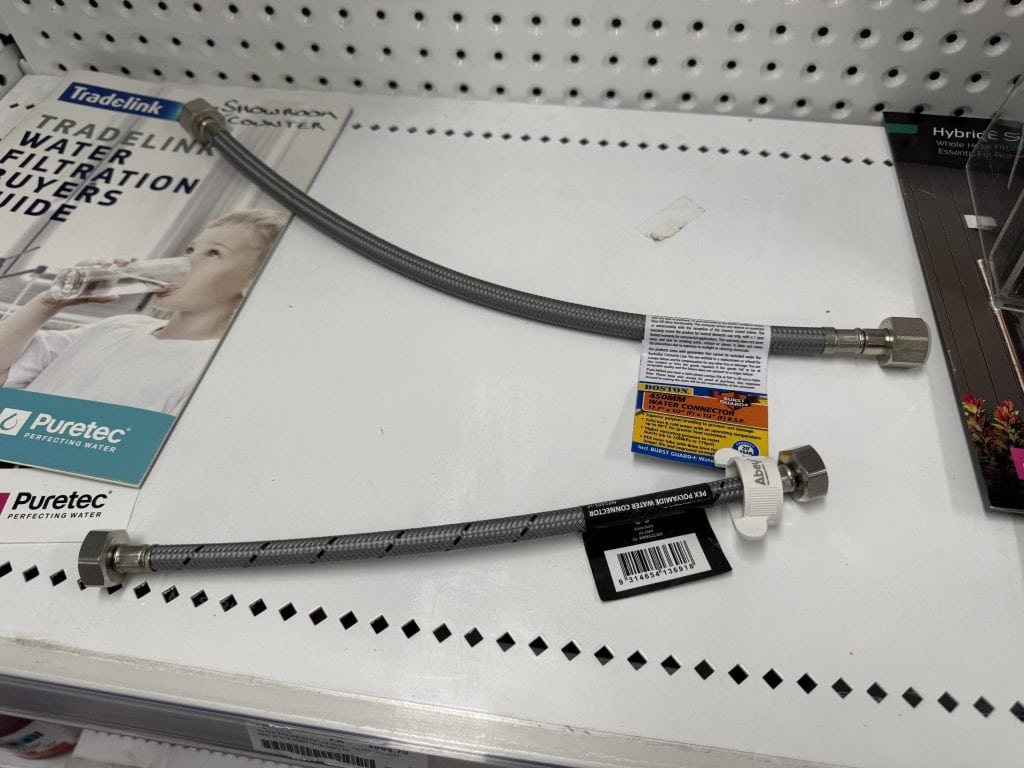
Burst flexi hoses are one of the most common causes of residential water damage claims in Australia.
These small braided hoses connect taps, toilets, dishwashers and washing machines to the household water supply. They are inexpensive and easy to install, which means they are used in almost every modern kitchen, bathroom and laundry.
However, when a flexi hose fails, the consequences can be severe.
If a hose bursts while a property owner is away, water can run continuously for hours, causing significant damage to flooring, cabinetry, walls and electrical systems.
In many cases, the repair costs can reach tens of thousands of dollars.
Why Flexi Hoses Fail
Flexi hoses are designed to withstand water pressure and temperature changes, but over time they deteriorate.
Common causes of failure include:
- Corrosion and rust affecting the outer braiding
- Wear and tear from constant pressure and vibration
- Ageing rubber or plastic inner tubes
- Poor installation or overtightened fittings
- Environmental conditions such as humidity
In many cases, hoses that appear perfectly normal from the outside can fail suddenly without warning.
Plumbers commonly recommend replacing flexi hoses every five to seven years as part of preventative maintenance.
The Risk: Sudden Water Damage
Water damage from a burst hose can escalate very quickly.
Because flexi hoses are connected directly to the pressurised water supply, a rupture allows water to flow continuously.
This can lead to:
- Flooded kitchens or bathrooms
- Damage to cabinetry and flooring
- Water ingress into adjoining rooms
- Electrical hazards
- Mould growth and long-term structural issues
Insurance claims for water damage caused by burst hoses can easily exceed $20,000 to $50,000, depending on the extent of the damage.
A New Solution: Anti-Burst Flexi Hoses
Some plumbing suppliers now stock anti-burst flexi hoses designed to reduce the risk of catastrophic leaks.
These hoses include additional safety features such as:
- Automatic shut-off mechanisms that stop water flow if a rupture occurs
- Polymer braided exteriors designed to resist corrosion
- PEX inner tubing for improved durability
- Lead-free brass fittings for drinking water safety
- Compatibility with both hot and cold water systems
Some models are WaterMark certified under AS/NZS 3499:2006, meaning they comply with Australian plumbing standards.
Many of these hoses cost less than $10, making them a simple and affordable preventative measure.
A Simple Preventative Step
If your property has flexi hoses that are more than five years old, it may be worth asking a plumber to inspect or replace them during routine maintenance.
Upgrading to modern anti-burst hoses is a small investment that can significantly reduce the risk of major water damage.
For property owners, landlords and strata managers, preventative maintenance can help avoid the disruption and expense associated with large water damage claims.
How Insurance May Respond
Insurance policies may cover water damage caused by burst flexi hoses, depending on the policy terms and circumstances.
However, insurers may also consider factors such as:
- the age of the hose
- whether maintenance was carried out
- the type of property and usage
Regular inspections and preventative maintenance are always advisable to reduce the likelihood of a claim.
Need Help Reviewing Your Insurance Cover?
Understanding how your policy responds to risks like water damage is an important part of protecting your property.
If you would like to review your current insurance cover or discuss risk prevention strategies, the team at All Risk Protection would be happy to assist.