
Burst Pipes & Water Damage Insurance in Australia
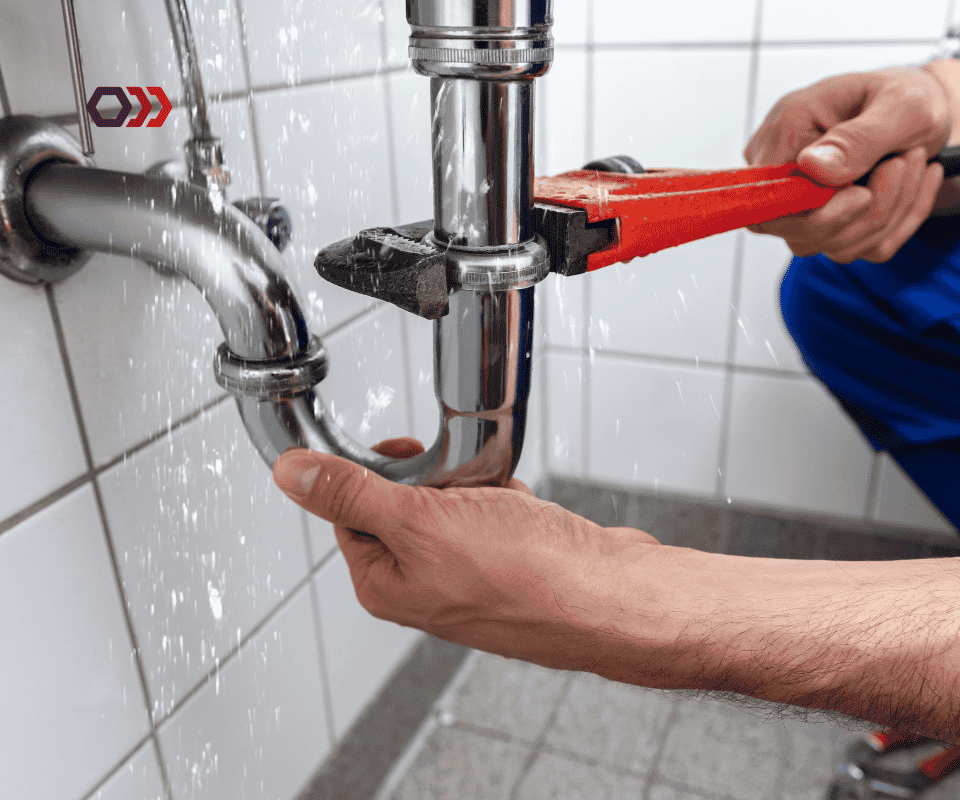
What Causes Burst Pipes in Winter?
While many people associate burst pipes with freezing temperatures, winter water damage in Australian homes and businesses is frequently caused by a different culprit: flexible braided hoses. These are the rubber pipes encased in a stainless steel mesh sleeve found under almost every kitchen sink, bathroom vanity, and toilet cistern.
During winter, increased usage of hot water systems and shifting water pressure place additional stress on plumbing systems. Flexible braided hoses have a limited lifespan—typically between 5 and 10 years. Over time, the internal rubber degrades or the outer mesh corrodes. When they fail, they often do so suddenly and overnight, allowing thousands of litres of water to flood a property uninterrupted for hours. By morning, carpets, floorboards, plasterboard walls, and cabinetry can sustain catastrophic damage.
Does Property Insurance Cover a Burst Pipe?
Yes, standard building and contents insurance policies in Australia generally cover damage caused by a sudden and accidental burst pipe. This type of incident falls under the “Escape of Liquid” section of your Product Disclosure Statement (PDS).
What Is Typically Covered vs. Excluded?
Covered: The cost to repair or replace items damaged by the escaping water (e.g., ruined carpets, warped cabinetry, and damaged furniture).
Excluded: The cost to physically repair or replace the piece of pipe or hose that failed. This is viewed by insurers as a standard property maintenance expense.
Crucially, if the water leak is deemed to have been a slow, pre-existing drip that you ignored for months, the insurer may decline the entire claim under a gradual deterioration exclusion.
How to Prevent Winter Water Damage
To safeguard your property and ensure your insurance cover remains intact, take these preventive steps:
The 5-Year Inspection: Check under all sinks and behind toilets. If you spot any rust, fraying, or kinking on your flexible braided hoses, have a licensed plumber replace them immediately.
Locate Your Main Valve: Ensure every staff member or family member knows exactly where the main water shut-off valve is located so they can isolate the water source instantly in an emergency.
Monitor Water Pressure: If your pipes rattle (water hammer) or your water pressure fluctuates heavily, install a pressure-limiting valve to reduce stress on your plumbing.
Need Help Reviewing Your Cover?
If you would like to understand how your policy responds to emerging risks or review your current insurance arrangements, the team at All Risk Protection would be happy to assist.