
Is Mould Damage Covered by Property Insurance?
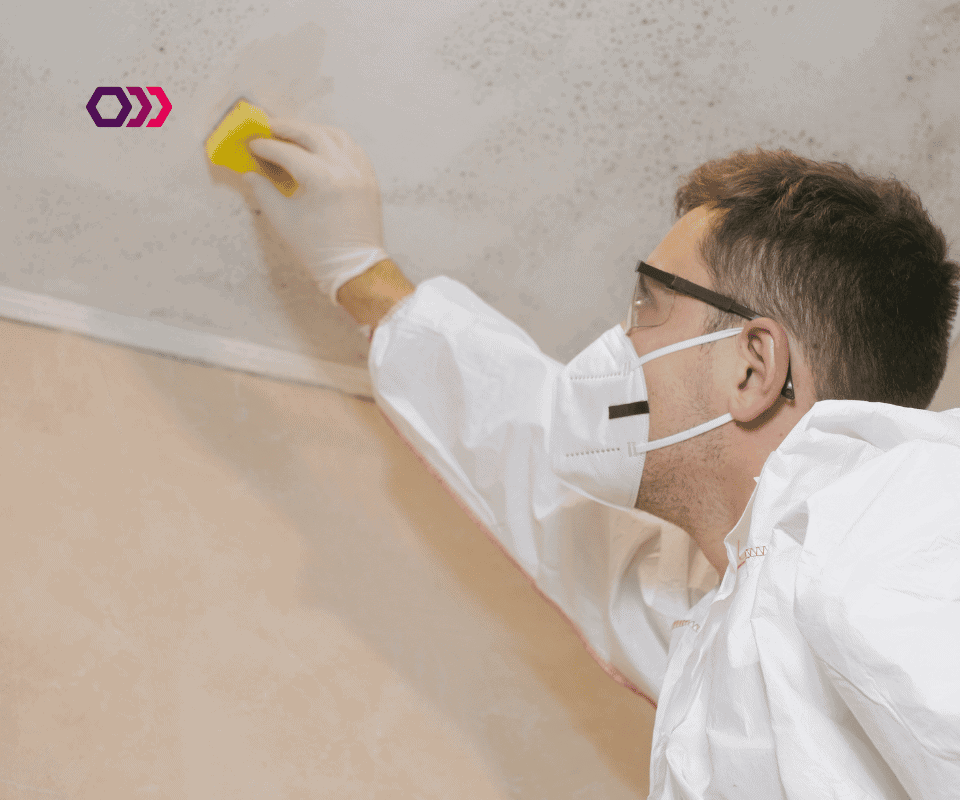
In Australia, the short answer is: it depends entirely on the root cause of the moisture.
Property insurance is designed to cover sudden, accidental, and unforeseen events, such as a pipe suddenly bursting or a storm tearing tiles off a roof. If mould develops as a direct, immediate consequence of a covered event (like water damage from a major storm), the cost of mould remediation and repairs is typically covered under a standard policy.
However, if mould develops gradually over time due to poor ventilation, high humidity, rising damp, or unresolved maintenance issues (like a slow, long-term leak), insurers generally classify this as gradual deterioration. Most Australian Product Disclosure Statements (PDS) explicitly exclude gradual damage, meaning the property owner must cover the costs out of pocket.
Why Mould Issues Become Complex and Costly
Mould grows silently in hidden spaces. Behind plasterboard, under flooring, and inside ceiling cavities. Because it builds gradually, it is frequently missed in its early stages. By the time a musty smell becomes noticeable or visible dark patches appear on walls, the spores may have already compromised:
-
Structural wall framing and plasterboard.
-
Fixtures, carpets, and soft furnishings.
-
The indoor air quality, presenting health risks to residents or employees.
Because mould remediation requires specialised cleaning, structural drying, and sometimes extensive demolition, fixing a long-ignored damp issue can cost thousands of dollars.
How to Prevent Preventable Mould and Protect Your Cover
To ensure your property remains safe and your insurance coverage isn’t compromised by a “gradual upkeep” exclusion, implement these preventative measures:
-
Maintain Mechanical Ventilation: Ensure exhaust fans in bathrooms, kitchens, and laundries are clean, fully operational, and running during and after steam-producing activities.
-
Act Immediately on Leaks: If you notice a damp patch on a wall, a musty smell, or a sudden unexplained spike in your water bill, call a plumber immediately. Documenting prompt action shows your insurer you did not let the issue linger negligently.
-
Improve Structural Airflow: Keep furniture slightly away from external walls to allow air circulation, and utilise dehumidifiers in enclosed or low-sunlight zones during high-rainfall months.
Need Help Reviewing Your Cover?
If you would like to understand how your policy responds to emerging risks or review your current insurance arrangements, the team at All Risk Protection would be happy to assist.