
Understanding Business Interruption Insurance
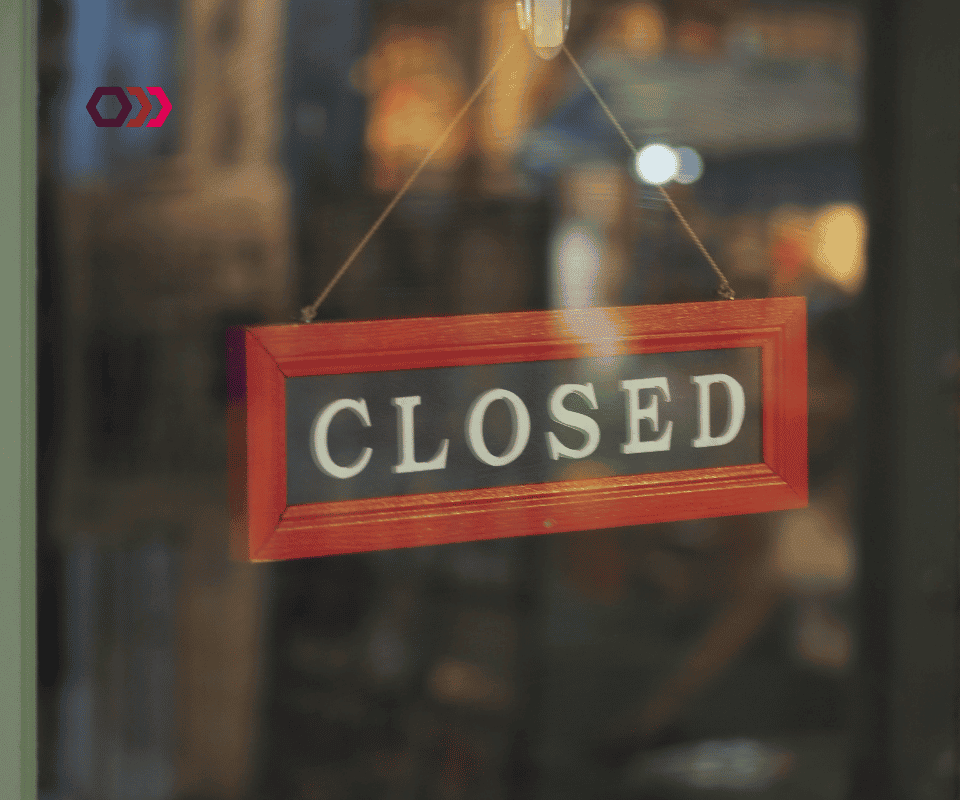
The Hidden Threat of Business Downtime
When a business suffers physical damage—whether from a burst pipe flooding the office, a storm damaging the storefront, or a localized fire—the immediate focus is always on repairing the physical assets. Business owners assume that their commercial property policy will get them back on their feet.
However, physical repairs take time. If your premises are unusable, your stock is destroyed, or your machinery is out of action, your business may be forced to close its doors temporarily. While your revenue stops instantly, your ongoing expenses do not. Landlords still expect rent, staff still require wages, and utility providers still send bills. For many Australian businesses, the loss of income during downtime is far more financially devastating than the cost of the physical damage itself.
What Is Business Interruption Insurance?
Business Interruption (BI) insurance is designed to protect your financial position while your physical business assets are being repaired or replaced. Rather than covering the physical “bricks and mortar,” BI covers the financial reality of your business operations.
A standard Business Interruption policy can cover:
Gross Profit Shortfall: The revenue you would have earned had the insured event not occurred.
Fixed Costs: Ongoing operating expenses, including rent, rates, and loan repayments.
Increased Cost of Working: Emergency relocation costs, short-term equipment hire, or advertising expenses used to notify clients of your temporary location.
Choosing the Right Indemnity Period: A Critical Business Decision
The single biggest mistake businesses make when setting up their cover is selecting an inadequate Indemnity Period. The indemnity period is the maximum length of time that the insurer will pay out for lost income.
Many business owners select a 6-month or 12-month period, assuming that is plenty of time to repair a shop or office. However, in the current commercial landscape, supply chain delays, council development approvals, and trade shortages mean that a major rebuild or specialised equipment replacement can easily take 12 to 24 months. If your indemnity period ends before your doors reopen, your business must absorb the remaining financial loss entirely on its own. Reviewing your operational continuity plan with your insurance broker ensures you choose a buffer that genuinely protects your business survival.
Need Help Reviewing Your Cover?
If you would like to understand how your policy responds to emerging risks or review your current insurance arrangements, the team at All Risk Protection would be happy to assist.