
Commercial Motor Insurance: Navigating Vehicle Usage Declarations
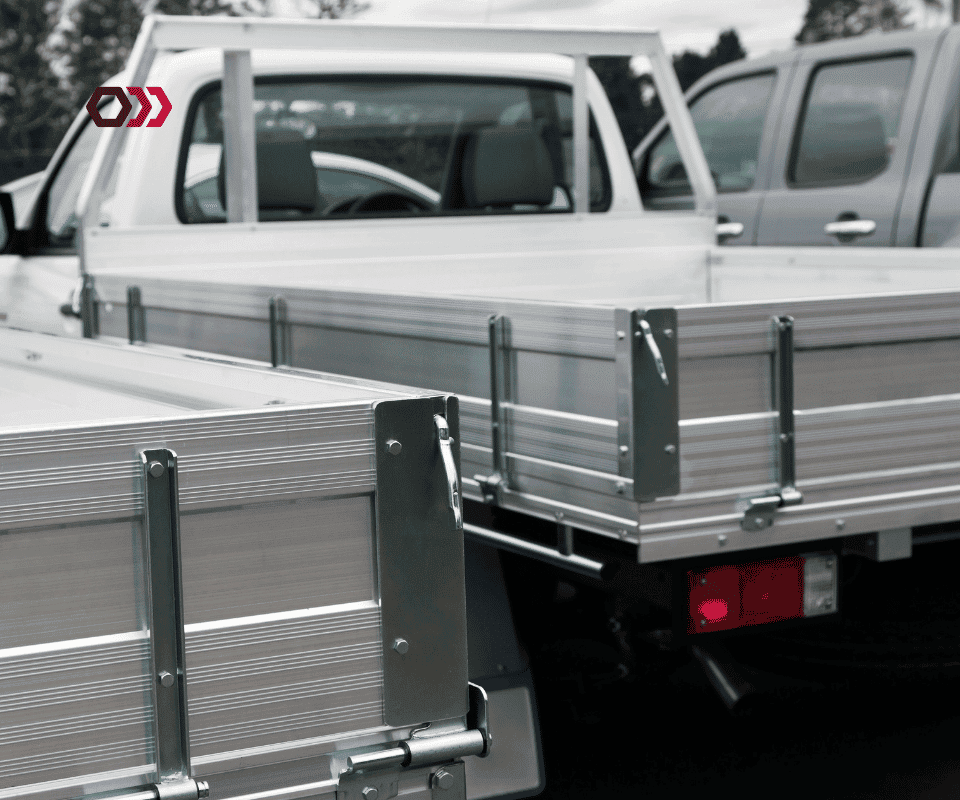
How Does Vehicle Usage Affect Commercial Motor Insurance Claims?
For Australian businesses operating single work vehicles or larger commercial fleets, maintaining accurate policy declarations is essential for smooth claims processing.
A common situation arises when company vehicles, utes, or trailers are driven for a mix of business operations and personal commuting. Depending on the insurer and the specific policy wording, commercial motor policies may contain driver age restrictions, radius limitations, or usage conditions. If a vehicle is involved in an incident while being used outside its declared scope—such as an unlisted driver operating a commercial ute for private errands—it may result in administrative delays, additional excesses, or potential claim adjustments.
Key Policy Terms to Review Across Business Fleets
When reviewing your commercial motor arrangements, it is helpful to understand how insurers classify different operational factors:
- Declared Usage: Policies generally distinguish between Business Use Only, Commercial Use, and Business & Private Use. Ensuring private commuting or weekend errands are disclosed helps prevent complications during a claim.
- Nominated vs. Unnominated Drivers: Some motor policies restrict cover to named individuals, while others allow open driver arrangements subject to age or licence conditions.
- Geographic and Radius Limits: Certain commercial policies specify a maximum operating radius (e.g., 100 km from a primary depot). Operating vehicles consistently beyond these parameters should be disclosed.
Practical Measures to Manage Fleet Risks
To help simplify policy management and reduce administrative friction, consider implementing these operational steps:
- Maintain an Updated Driver Register: Regularly review who is operating company vehicles, ensuring new staff, apprentices, or family members (where private use is permitted) are noted where required.
- Review Fleet Consolidation Options: For businesses operating multiple vehicles, consolidating individual policies under a single Business Motor Fleet policy may assist with consistent policy management and streamlined renewal processes.
- Confirm Towing and Accessory Values: Ensure aftermarket additions—such as toolboxes, signage, canopies, and specialised trailers—are declared at appropriate replacement values.
Need Help Reviewing Your Cover?
If you would like to understand how your policy responds to emerging risks or review your current insurance arrangements, the team at All Risk Protection would be happy to assist.
This article contains general information only and does not take into account your objectives, financial situation or insurance needs. Insurance cover is always subject to the terms, conditions, exclusions and limitations of the policy wording. Consider whether the information is appropriate to your circumstances and seek professional advice before making any decisions.