
The Danger of Unoccupied Properties: Understanding Insurance Clauses
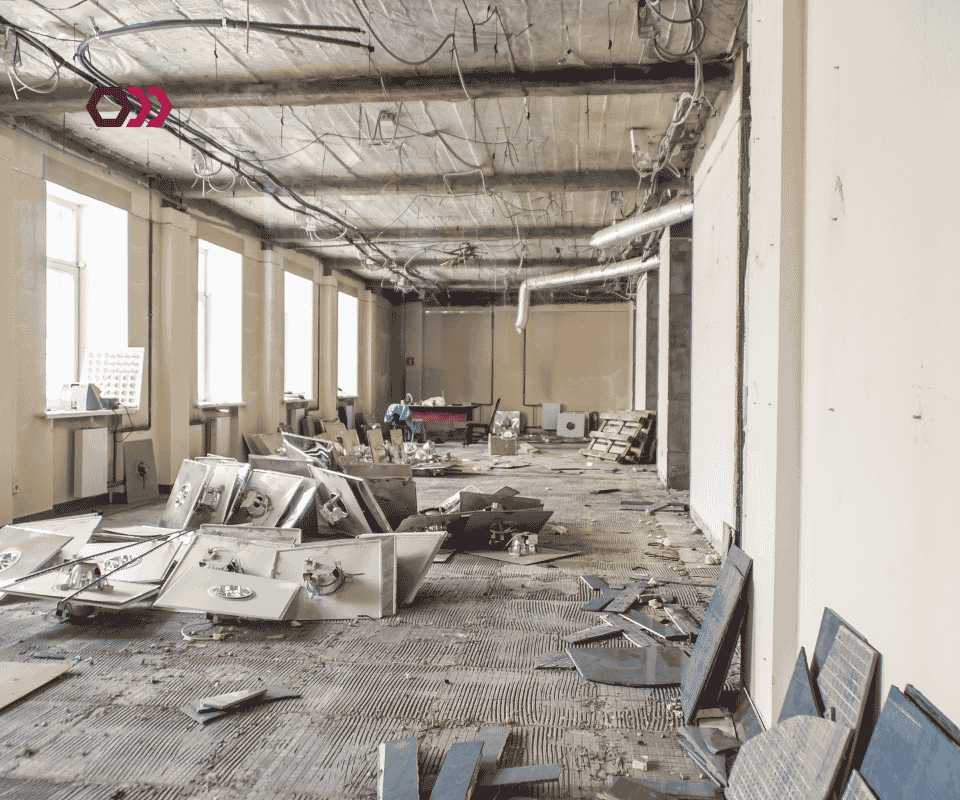
The Insurance Risks of Leaving a Property Empty
Whether you are a commercial property investor managing a retail space between tenancies, or a homeowner leaving your property vacant while taking an extended winter holiday, an empty building faces a vastly altered risk profile.
When a building is occupied, minor issues—such as a small ceiling drip, a faulty electrical socket, or a dripping pipe—are identified and resolved instantly. When a building sits empty, these exact same minor issues can escalate into catastrophic structural damage. A small box gutter blockage during a July downpour can allow water to pour into an empty building undetected for weeks, rotting the internal timbers, ruining the plasterboard, and causing extensive mould growth.
What Is an Unoccupancy Clause?
Many Australian home, building and commercial insurance policies contain unoccupancy conditions or vacancy provisions that may apply when a property is left unattended for an extended period.
An unoccupancy clause specifies the maximum number of consecutive days a property can be left completely empty before your insurance coverage is restricted, reduced, or suspended entirely. While this period varies depending on the insurer and the policy type, the standard threshold across Australia is typically 30 or 60 consecutive days.
If a major event occurs on day 45 of a property being vacant, and you have not formally notified your insurance broker or insurer, your claim could be completely declined, or your policy excess could be significantly increased.
How to Keep Your Insurance Valid on Vacant Properties
If you own a property that will be vacant for more than a few weeks this winter, follow these crucial compliance steps to protect your asset:
Implement Formal Site Inspections: Arrange for a property manager, staff member, or trusted neighbor to physically enter and inspect the entire inside and outside of the property at least once a week. Keep a written log of these dates and findings to provide a paper trail for your insurer.
Isolate the Main Water Meter: Turn off the water supply at the main street meter when the building is empty. This can significantly reduce the risk of major escape-of-water losses arising from burst pipes or flexible hose failures.
Notify Your Broker Early: Do not wait until the vacancy period has commenced. Inform your insurance broker as soon as you become aware that a property may be unoccupied for an extended period. Depending on the insurer and policy wording, additional conditions, inspections or unoccupancy arrangements may be available to help maintain appropriate insurance protection.
Need Help Reviewing Your Cover?
If you would like to understand how your policy responds to emerging risks or review your current insurance arrangements, the team at All Risk Protection would be happy to assist.
This article contains general information only and does not take into account your objectives, financial situation or insurance needs. Insurance cover is always subject to the terms, conditions, exclusions and limitations of the policy wording. Consider whether the information is appropriate to your circumstances and seek professional advice before making any decisions.