
Deterioration of Stock: Commercial Refrigerator Insurance
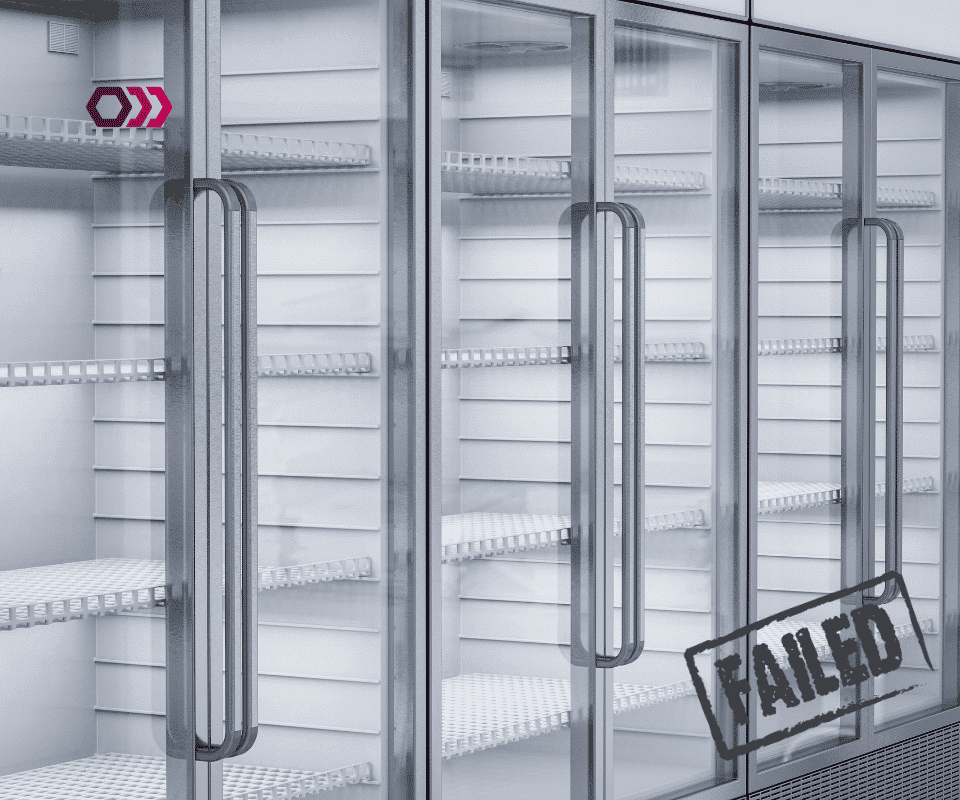
Does Business Insurance Cover Spoiled Stock After a Power Failure?
For hospitality businesses, supermarkets, florists, and pharmaceutical operators, refrigeration and cold storage systems are the backbone of daily operations. When a severe winter storm or grid failure cuts power to your commercial freezers and cold rooms over a weekend, thousands of dollars in perishable inventory can be ruined in a matter of hours.
A common misconception is that a standard “Business Property” or “Contents” insurance policy automatically covers spoiled inventory. In reality, standard policies generally exclude commercial stock losses caused by temperature changes unless you have a specific extension known as Deterioration of Stock (or Stock in Cold Chambers) active on your policy schedule.
Understanding the “Deterioration of Stock” Extension
Deterioration of Stock insurance is specifically designed to cover the financial value of goods that spoil, rot, or become unusable due to a change in temperature. However, for a claim to be successful, the temperature change must be caused by a defined, accidental event, such as:
A sudden, accidental breakdown of the refrigeration mechanics or electrical systems.
An accidental interruption to the public electricity supply (e.g., a storm blowing down power lines).
Accidental damage to the thermostat or control systems.
Critical Insurance Note: The Maintenance Exclusion
Just like property insurance, deterioration of stock cover does not protect against poor maintenance. If your cold room fails because it was running low on refrigerant gas for months, or because the compressor simply reached the end of its natural working life due to old age, the insurer may decline the claim.
How to Safeguard Your Inventory This Winter
Protect your stock volumes and ensure your insurance claims are approved smoothly by taking these preventative measures:
Utilise Battery-Backed Smart Sensors: Install digital temperature monitoring systems that function during a power outage and send immediate alerts to your smartphone if a freezer rises above a specific temperature threshold.
Align Sub-Limits with Peak Stock Levels: Review your policy schedule with your broker to ensure your deterioration of stock sub-limit reflects the maximum possible value of your inventory (e.g., right before a busy weekend), not just your average baseline.
Keep Maintenance Records: Schedule regular professional servicing for all commercial cooling units and keep copies of the receipts. This documentation serves as definitive proof to an insurer that the mechanical failure was sudden and unexpected.
Need Help Reviewing Your Cover?
If you would like to understand how your policy responds to emerging risks or review your current insurance arrangements, the team at All Risk Protection would be happy to assist.
This article contains general information only and does not take into account your objectives, financial situation or insurance needs. Insurance cover is always subject to the terms, conditions, exclusions and limitations of the policy wording. Consider whether the information is appropriate to your circumstances and seek professional advice before making any decisions.